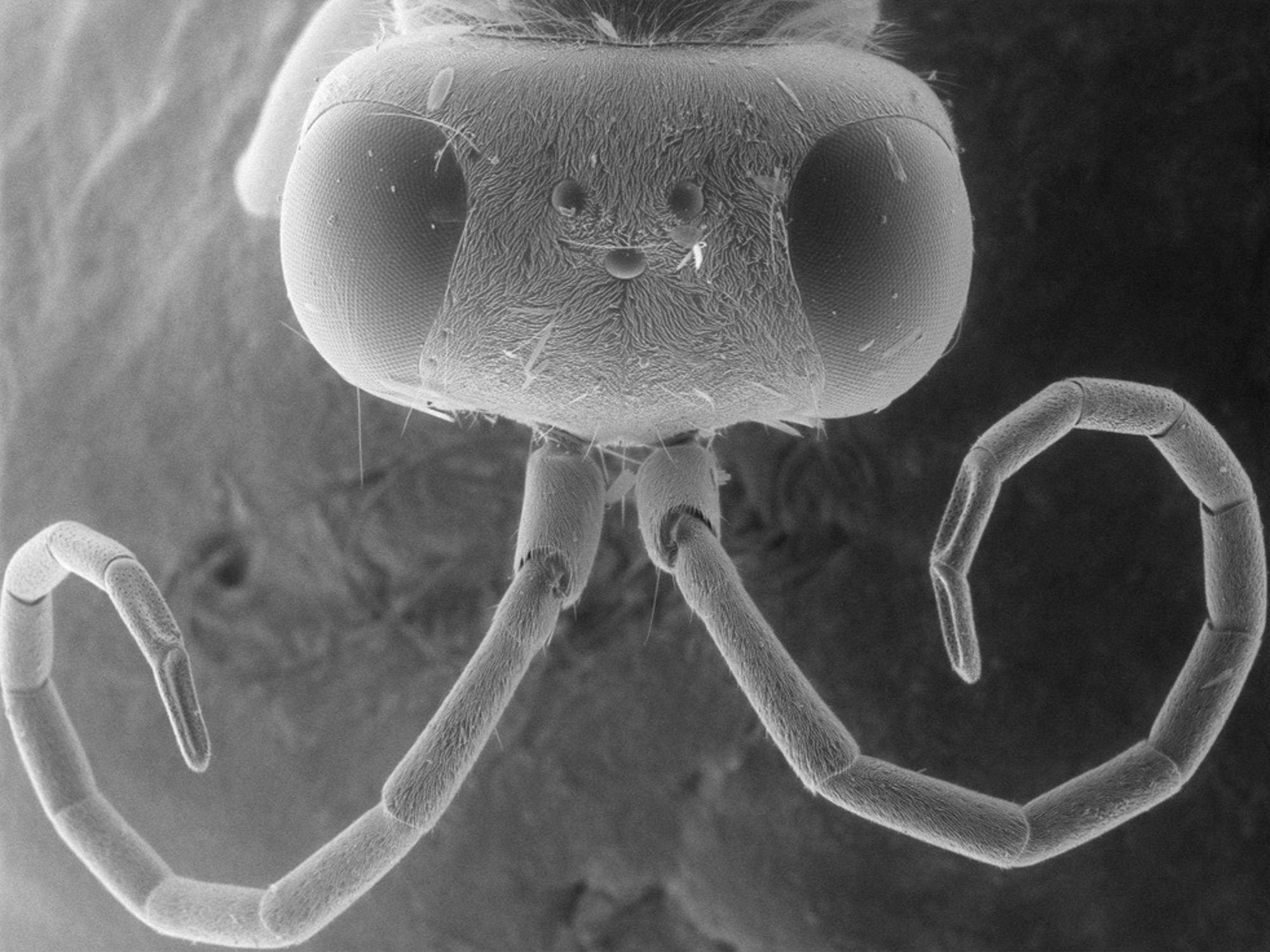
The evolution of insect sensory systems.
All animals must use visual, auditory, tactile, and/or olfactory information to survive through activities including locating and identifying other members of their species including potential mates, locating food or shelter, or noticing an approaching predator. This invariably requires sensory organs, and the morphology (shape and structure) of these organs evolves to detect salient information against the irrelevant information, or “background noise” in their environment. As humans change the environment at an unprecedented rate, the background noise in the environment is changing and so is how difficult it is for animals to detect information. My research explores how these changes persisting over time changes the morphology of insect sensory organs.
The contexts in which I have explored insect sensory systems include:
- Parasitism in spider wasps
- Mutualistic relationships between butterflies and ants
- Diurnal vs nocturnal activity
- Captive breeding of threatened species
- Social vs solitary lifestyle in bees and ants
- Artificial light pollution
Scientific review publications:
Freelance, C. B. (2025). Anthropogenic Impacts as a Driver of Sensory Organ Morphology. Wild, 2(2), 17. doi: 10.3390/wild2020017
Elgar, M. A., Zhang, D., Wang, Q., Wittwer, B., Thi Pham, H., Johnson, T. L., Freelance, C. B., & Coquilleau, M. (2018). Insect Antennal Morphology: The Evolution of Diverse Solutions to Odorant Perception. The Yale Journal of Biology and Medicine, 91(4), 457–469.
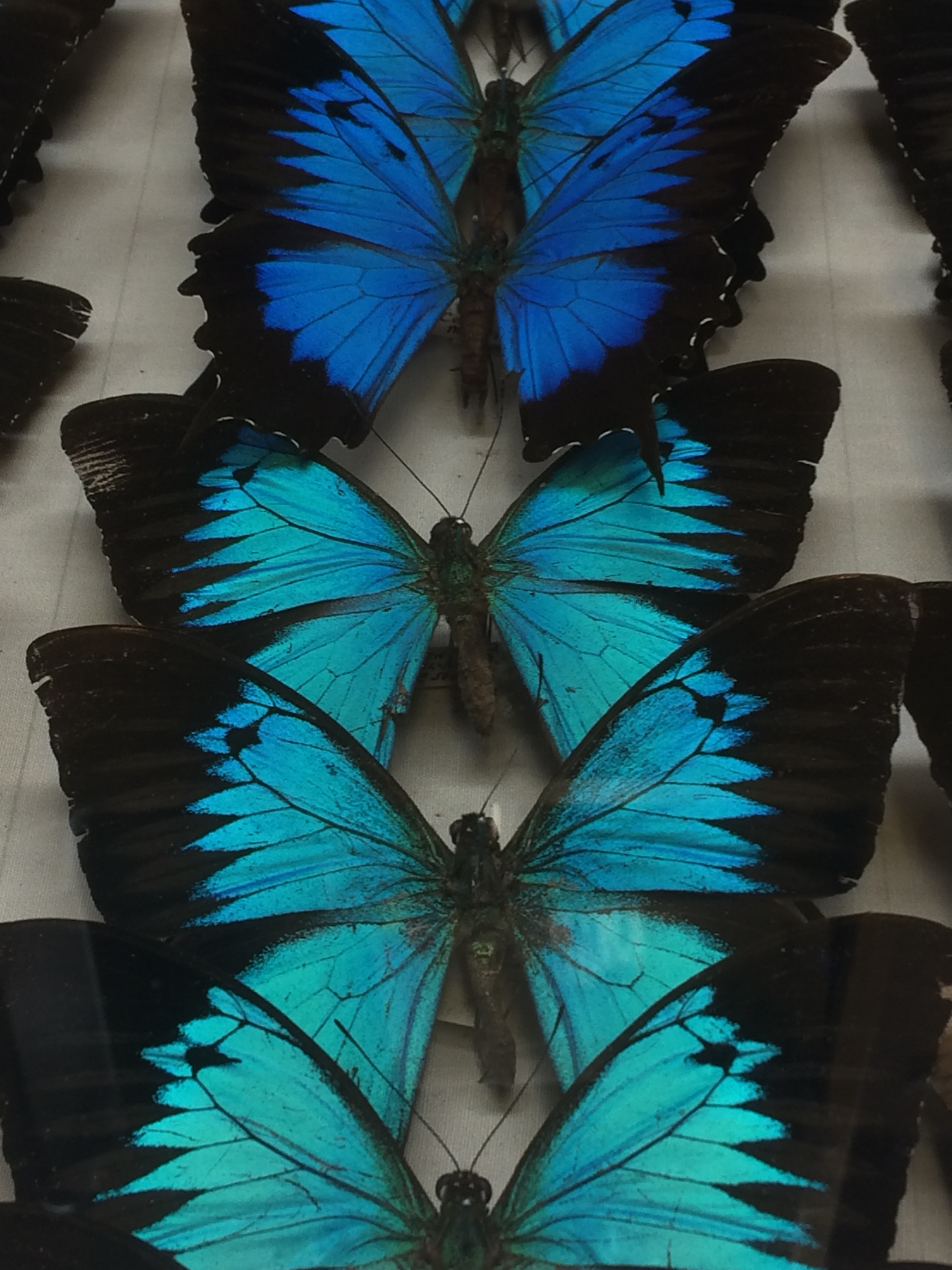
Ethics in research with, and conservation of, insects.
Research with live animals has long been a hallmark of biology, and insects are increasingly common as model organisms for experiments due to their relatively fast generation times and fewer ethical concerns. Recent studies have suggested insects demonstrate behaviours similar to emotional states and have led to calls for insects to be covered by formal animal research ethics guidelines. However, evidence regarding the ability of insects to experience emotions such as pain and fear remains inconclusive and animal research guidelines designed for vertebrates cannot be readily applied to insects. Additionally, while the number of insects recognised as threatened species is growing, there is little research into the factors that can drive them extinct. I consider the ethical implications of these phenomena, and provide practical suggestions for the use of live insects in experimental research as well as the need for including invertebrates in conservation assessments and studies.
Relevant publications:
Freelance, C. B. (2019). To regulate or not to regulate? The future of animal ethics in experimental research with insects. Science and Engineering Ethics, 25(5), 1339–1355. doi: 10.1007/s11948-018-0066-9
The impact of stand-up comedy training on the ability and willingness of scientists to engage with non-expert audiences.
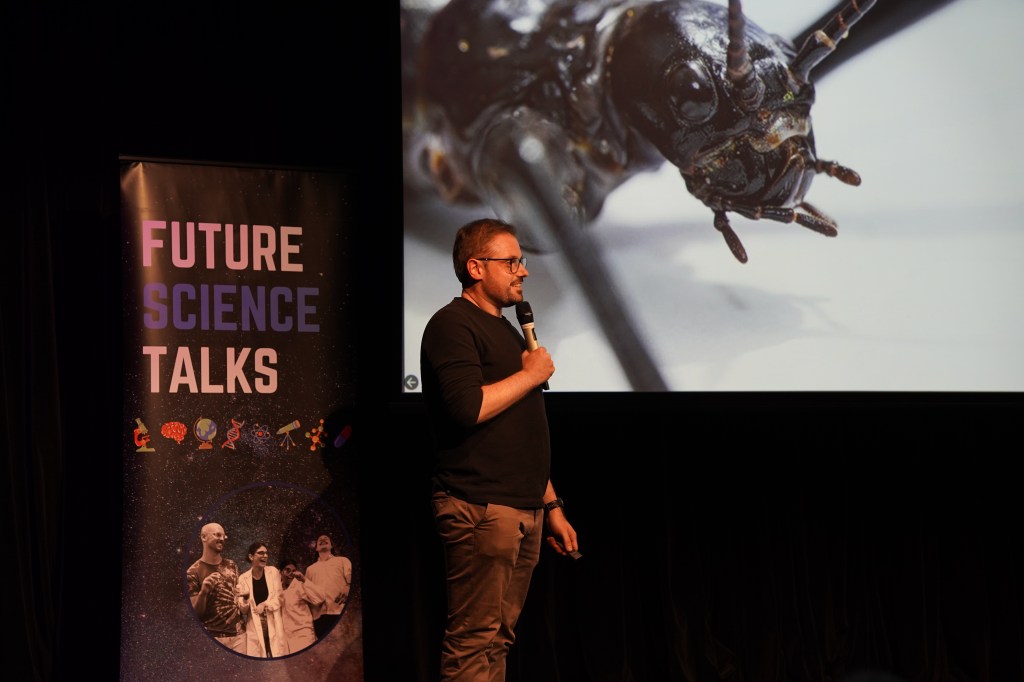
As science and technology play an increasingly pivotal role in society, it has never been more important for non-experts to have a level of scientific literacy. There are many courses and programs aiming to train scientists, as subject matter experts, to communicate in an engaging and effective way with public audiences. There is evidence that comedy is an effective way for the public to receive science-based information but no clear evidence that comedy training makes scientists more effective or willing to perform this engagement in future. I have partnered with Future Science Talks to research the confidence, ability, and attitudes of STEMM professionals towards public engagement before and after undertaking a stand-up comedy training program which includes performing a science comedy talk at a major Australian comedy festival.
previous interests
The impacts of artificial light at night (ALAN) on body pigmentation, sensory organs, and brain melatonin and oxidative stress in insects.
In 2016, it was estimated that 80% of the world’s human population lives in an area where the night sky is astronomically polluted by artificial light – meaning, for example, people cannot see stars in the night sky. Such a rapid increase in the level of artificial light present during periods of natural darkness is hugely disruptive to the many species that evolved over thousands of years with a period of true darkness at night. Using the Australian black field cricket Teleogryllus commodus as a model, I explored the impact of ALAN on the morphology of compound eyes and antennae, on melanin-based body pigmentation, and on the production of the antioxidant hormone melatonin and presence of oxidative stress by-products in the brain.
The role of sensory systems in the control of movement.
Control of motor function, while involving information about the surrounding environment collected by sensory systems, has long been attributed to specific regions and circuits within the brain. Such circuits and regions are often the targets of pharmaceuticals employed to treat the symptoms of motor disorders such as Parkinson’s disease. Administration of microlitre amounts of various pharmaceuticals designed to treat Parkinson’s disease into the eyes of rat models of the disease resulted in alterations in movement patterns consistent with those seen in patients with the disease. This phenomenon is consistent with the retina of the eye being implicated in the regulation of motor function and may provide the basis for development of less invasive, more effective treatment options for movement disorders.
 Dr Chris Freelance